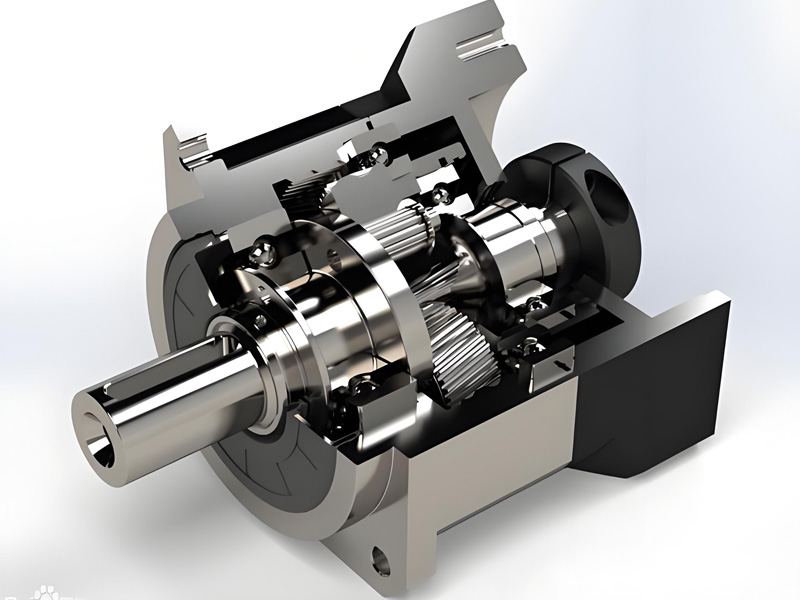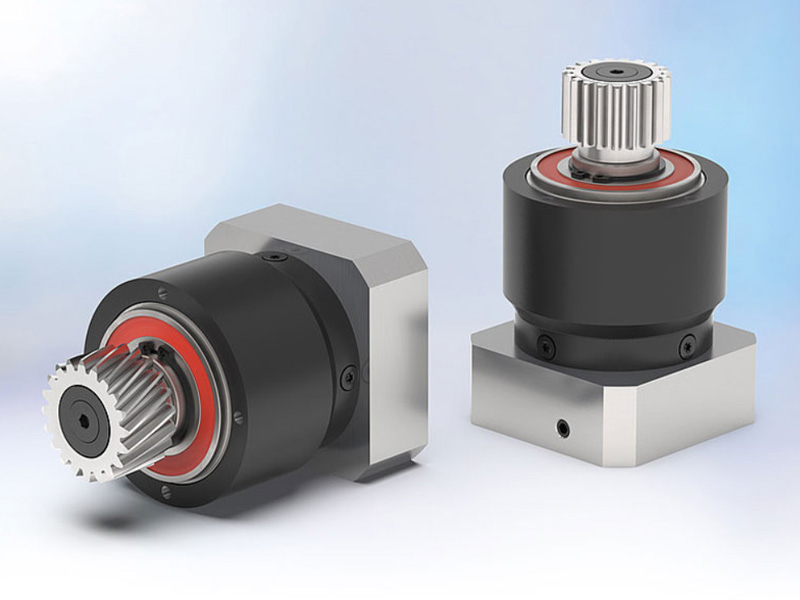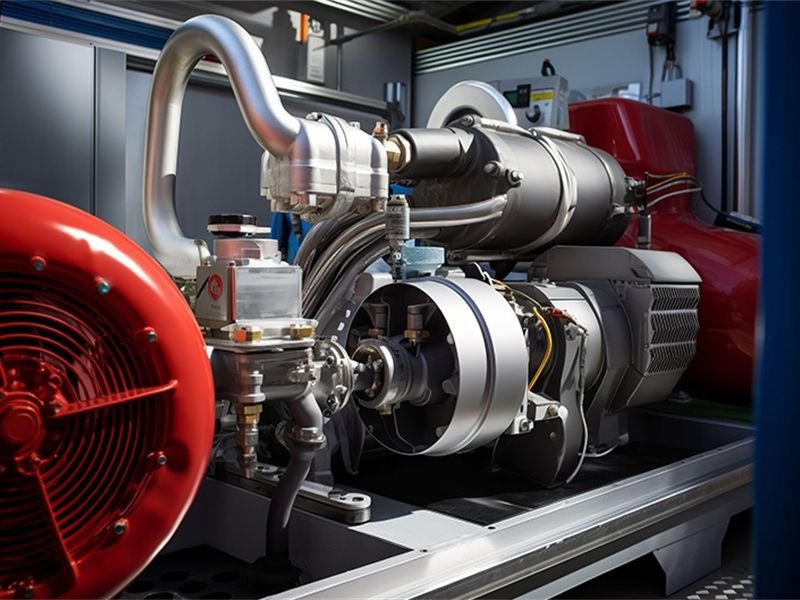

The robotics industry is an emerging industry. Intelligent manufacturing serves as one foundation of Industry 4.0. Stable and precise operation of industrial robots relies heavily on precision robot bearings. Robot bearings feature special structures and strict technical requirements. Flexible bearings, cross roller bearings and tapered roller bearings are widely used in robot bodies, reducers, drive motors and other components, covering application scenarios such as RV reducers, harmonic reducers and robot bodies.
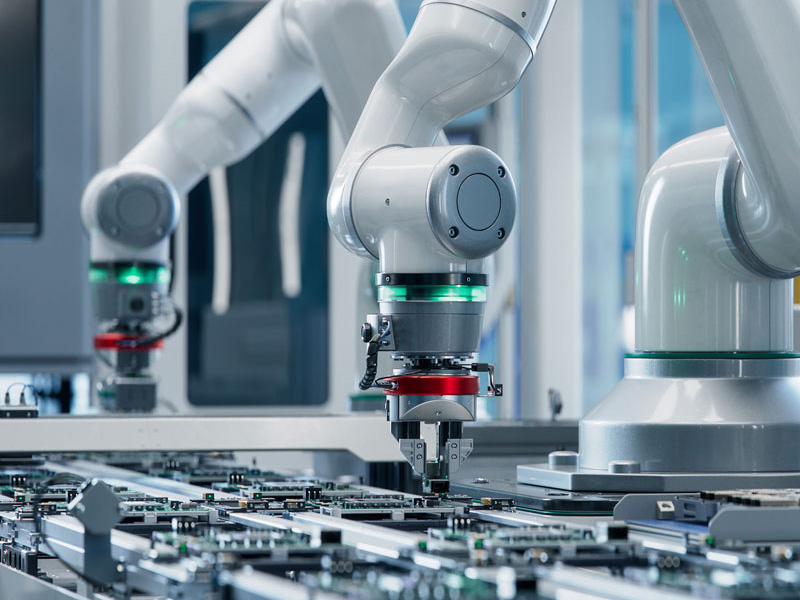
An industrial robot refers to a multi-joint manipulator or multi-degree-of-freedom mechanical device designed for industrial scenarios. It can perform tasks autonomously and realize various functions with its own power and control system. Industrial robots can follow human instructions or run according to pre-programmed procedures, and modern industrial robots can even act according to rules formulated by artificial intelligence technology.
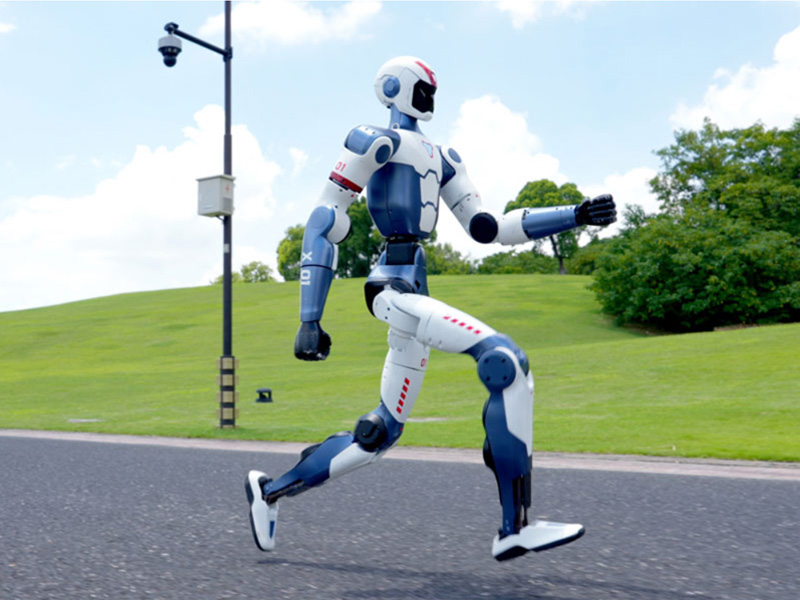
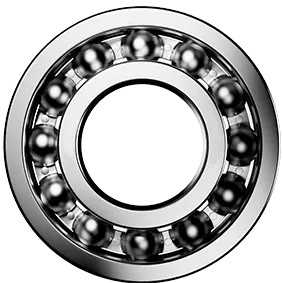
Modern mechanical design pursues compact layout, lightweight structure and miniaturization. Thin-wall bearings are the ideal solution. Every series of thin-wall bearings adopts a fixed single cross section that stays unchanged as the outer diameter expands. This design enables hollow shafts to replace solid shafts. The interior space of hollow shafts can accommodate air pipelines, hydraulic pipelines, pneumatic pipelines, wiring harnesses and other parts. In most applications, one four-point contact thin-wall ball bearing can replace two ordinary bearings, which makes structural design more compact, simplifies installation and cuts down overall costs effectively.
Constant-section thin-wall bearings save installation space, reduce equipment weight, lower friction remarkably and guarantee excellent rotational precision, which makes lightweight and miniaturized equipment design achievable. The width and thickness of ordinary ball bearings will expand along with the increase of diameter, while thin-wall bearings maintain a constant cross section under different diameters. Such advantages bring lower overall system costs and higher design efficiency compared with standard bearings.
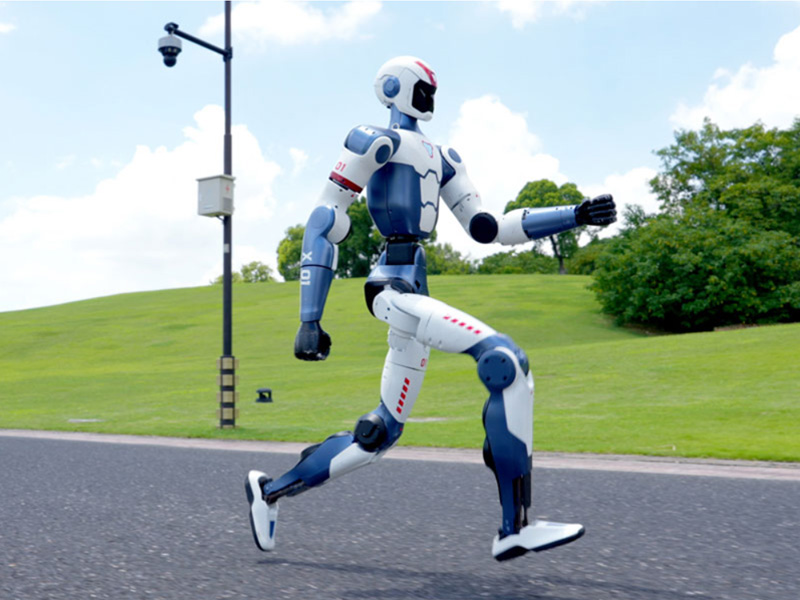
The manufacturing industry has growing demands for high precision, fine workmanship, stable performance and high resolution, which makes industrial automation an irresistible future trend. Meanwhile, rising labor costs and labor shortages worldwide drive enterprises to deploy industrial robots to replace manual work in production. High-performance bearings are indispensable core components in such upgrading processes.
We have accumulated abundant experience in the research and production of robot bearings, and we support enterprises to realize upgrading toward automation, digitalization and intellectualization.

 01
01
 02
02
 03
03
 04
04


 Contact Email




 Company News