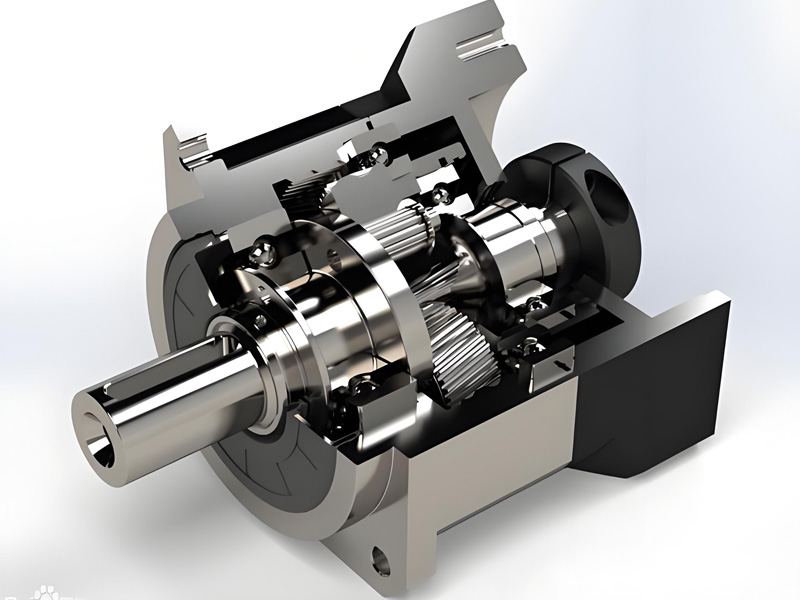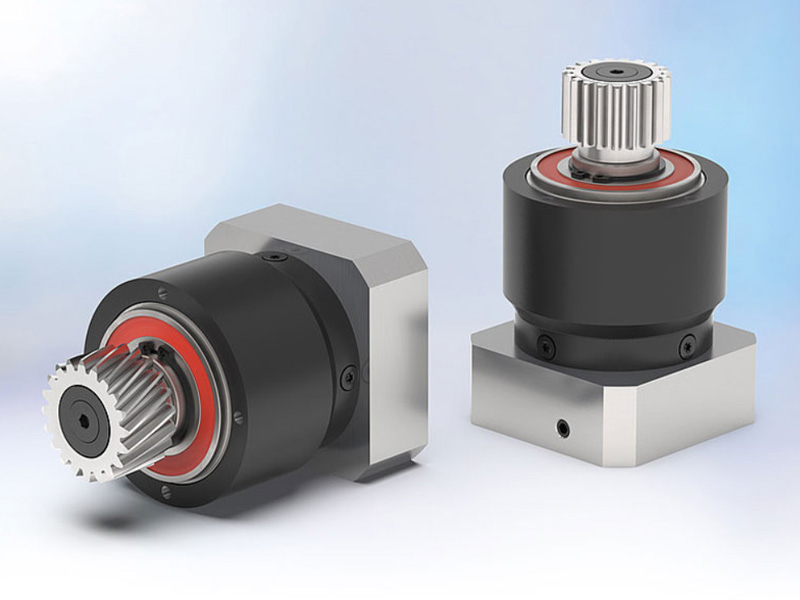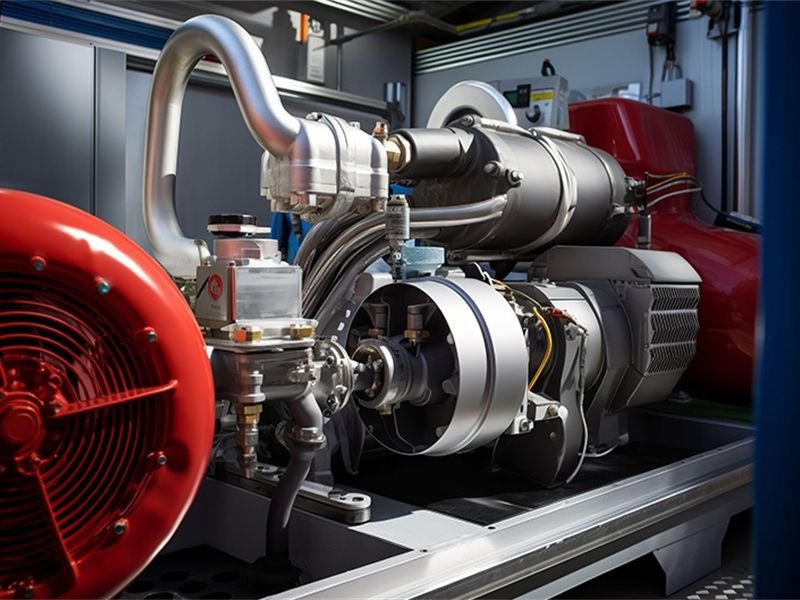

With the core advantages of lightweight structure, high rigidity and compact size, thin-wall bearings perfectly meet the design requirements of planetary reducers for high power density, small volume and high precision, and have become the core supporting components of key transmission parts. The core transmission unit of a planetary reducer consists of a sun gear, planet gears, an inner ring gear and a planet carrier. During operation, planet gears rotate around their own axes while revolving around the axis of the sun gear, bringing complicated force conditions and limited installation space. Its main requirements for bearings include compact layout, composite load bearing capacity, low moment of inertia and high rigidity.
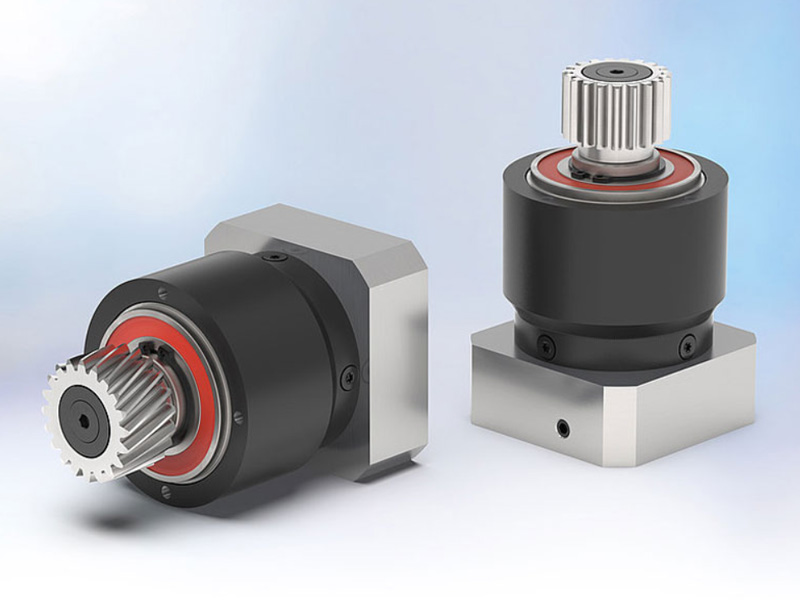
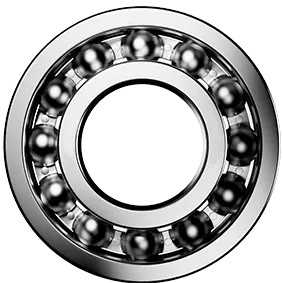
Thin-wall deep groove ball bearings are suitable for working conditions dominated by radial loads and high rotating speeds, such as drive reducers for new energy vehicles. Their load capacity can be improved through single-row or double-row layout. Thin-wall angular contact ball bearings fit scenarios with obvious axial loads such as planetary reducers for precision machine tools; with a contact angle of 15° or 25°, they bear bidirectional composite loads and prevent axial displacement of planet gears. A single set of thin-wall four-point contact ball bearings can replace two sets of angular contact ball bearings, saving space while bearing bidirectional axial loads and radial loads, which makes them ideal for small and medium-sized planetary reducers like robot joint reducers. Rollers of thin-wall cross roller bearings are arranged in a 90-degree crossed layout, delivering outstanding anti-overturning torque capacity with rigidity more than 30 percent higher than that of four-point contact ball bearings. They are applicable to heavy-load or high-precision scenarios including wind power planetary reducers and heavy-duty machine tools. The thin-wall structure reduces the radial size of the shaft system to make the reducer more compact, and low moment of inertia lessens inertial impact during motor startup and improves response speed.
Compared with traditional thick-wall bearings, thin-wall bearings bring prominent advantages to planetary reducers as follows: space optimization improves the power density of reducers; lightweight design reduces moment of inertia and boosts working efficiency; high rigidity guarantees transmission precision and stability; excellent high-speed adaptability satisfies high-speed operating requirements.
The raceway and rolling elements of thin-wall bearings feature small contact area and low friction coefficient, which well adapts to the high-speed working conditions of planetary reducers. Some high-end thin-wall bearings adopt ceramic rollers to further reduce frictional heat and strengthen high-speed stability. Planetary reducers installed on robot waists and wrists require high positioning accuracy. Thin-wall cross roller bearings supporting the planet carrier can control the repeated positioning error of joints within 0.008 mm, meeting the precise demands of welding, assembly and other fine operations. By virtue of space saving, lightweight property and high rigidity, thin-wall bearings resolve the core conflict between small volume and high power density for planetary reducers, and have become standard parts for high-end planetary reducers widely used in new energy vehicles, robots and precision equipment. The key to application lies in selecting proper bearing types according to practical working conditions and strictly controlling installation precision, so as to achieve efficient and high-precision transmission of reducers.

 01
01
 02
02
 03
03
 04
04


 Contact Email




 Company News